

What We Do
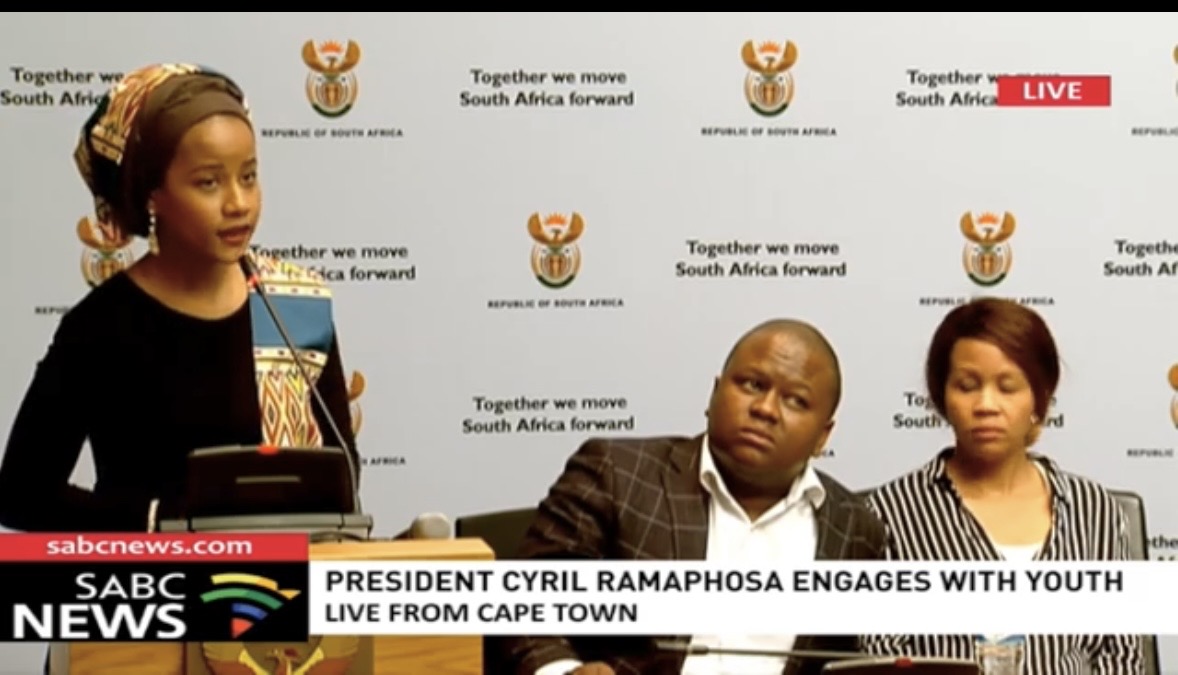
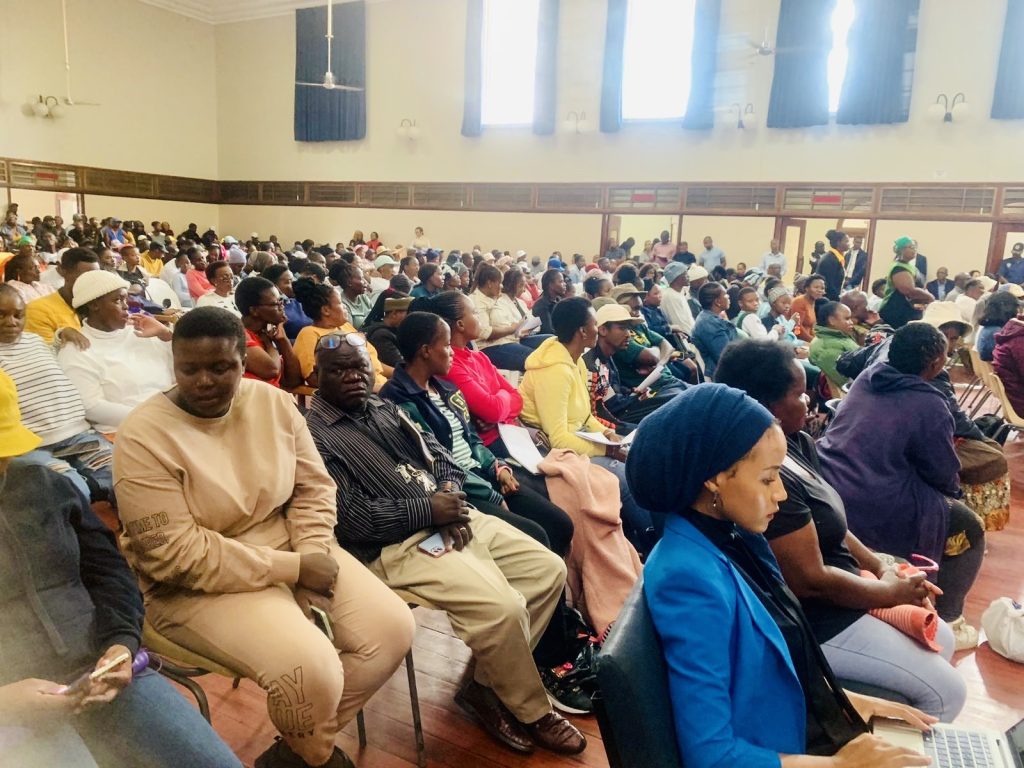
Our Approach: Social Justice Through Education.
The Foundation defines social justice through education as the use of knowledge, identity and access as tools to dismantle inequality, restore dignity and rebuild social cohesion through enabling active citizenry. This includes civic education, leadership development, African identity and economic access pathways.
This goes beyond formal schooling, it includes:
- Civic education and political literacy
- African identity and historical consciousness
- Economic and career access pathways
- Community-based knowledge systems
In the South African and broader African context, education is positioned not only as a tool for employment, but as a mechanism for restoring dignity, bridging inequality and enabling active citizenship.
Empowering young leaders through education, leadership development
Our System: Four Pillars
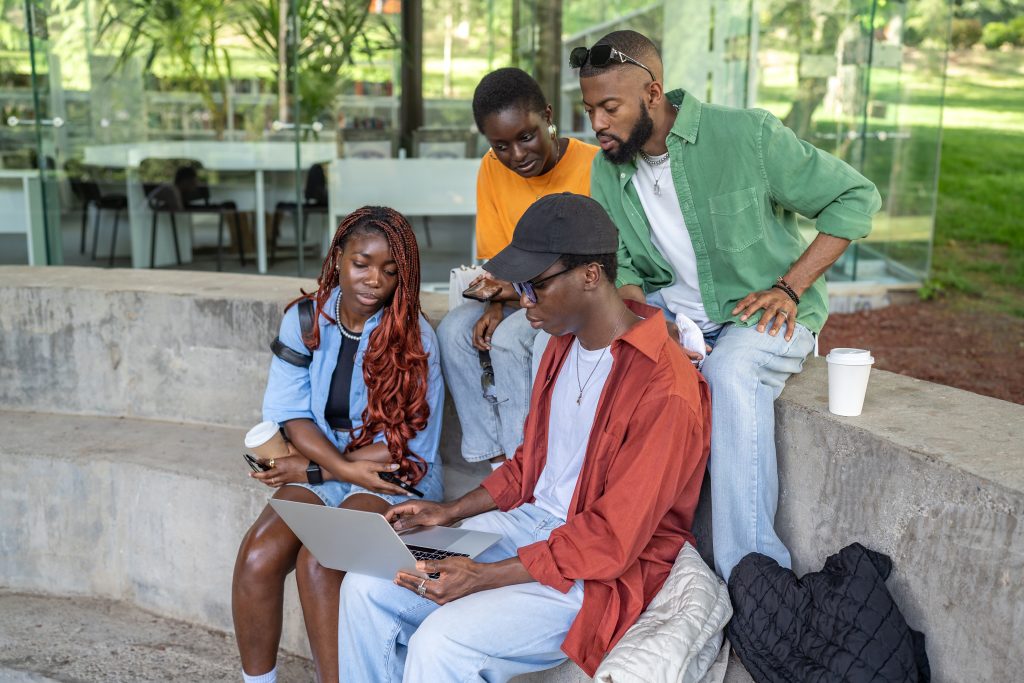
Through our four pillars, we create pathways for young people to learn, advocateand access opportunities that transform lives and communities

Academy
Focus:Education, Leadership and Identity.
Developing conscious, capable and socially grounded leaders
Programs:
- Leadership Development and Masterclass
- Student Funding and Support
- Future Skills
- Knowledge and Identity

Activism & Advocacy
Focus:Voice, Mobilisation and Social Justice.
Amplifying youth voice and driving grassroots social change.
Programs:
- Public Discourse Platforms
- Social Impact Campaigns
- Civic Education and Awareness
Lobbying
Focus:Policy Influence and Institutional Access.
Bridging youth voices with decision-making power.
Programs:
- Youth Policy and Advocacy Platforms
- Strategic Government and Continental Engagement
- Leadership Advisory and Networks
Institute
Focus:Economic Access and Service Delivery. Delivering tangible pathways to economic participation and opportunity
Programs:
- Employment & Placemen
- Entrepreneurship Platforms
- Community-based Empowerment and Development
- Skills Access
IMPACT
Flagship Initiatives
Our flagship initiativestranslate our vision into action. Designed to create long-term,measurable impact, they represent the Foundation’s signature programs and commitment to expanding access, strengthening communities and developingthe next generation of patriotic leaders
Key Elements:
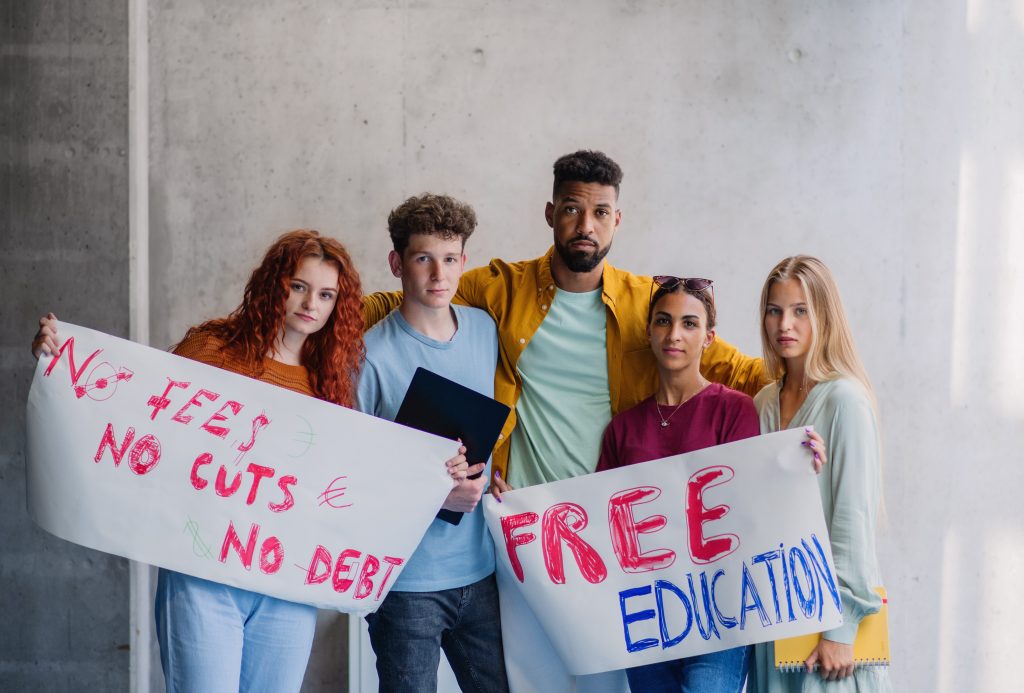
- Student funding (fees, registration, support)
- Work placement pipeline
- Pay-it-forward sustainability model
- Investment-backed growth
A sustainable education funding and access model supporting financially
excluded students, while creating pathways into the workforce and
reinvesting into future cohorts. The fund seeks to build a resilient education
financing ecosystem that funds school registration, university and
TVET/college access through a self-sustaining, alumni–driven model.
Currently a structural gap exists at the point of entry to access education in
South Africa, where academically qualifying students cannot register due to
upfront financial requirements. This includes University registration fees,
TVET/college enrollment costs and school registration barriers. The reality is
that even when funding exists, delays and inefficiencies lead to lost academic
opportunities, deferred enrolment and increased inequality
Beneficiaries include High school learners, University students, TVET/college
students, Youth from underserved communities.
Program Design
- National Call to Action (Fund Mobilisation)
- Open Application System
- Selection and Governance Model
- Direct Payment Mechanism
- Alumni Contribution Model (Sustainability Engine)
- Anisa Mazimpaka Foundation Alumni Network
A collaborative model between government and institutions of higher
learning (loHL) to address service delivery challenges while creating
practical learning opportunities for students.
Components:
• Work–integrated learning (students fixing real issues)
• Innovation
• Research and policy groups
• Infrastructure–based interventions
• Government partnership
The Generation Africa Leadership Corps is an immersive leadership and social cohesion programme designed to develop a network of conscious,
values–driven young leaders across South Africa and the continent through a cohort–based experience designed to develop a new generation of conscious, values–driven African leaders through an intensive annual leadership immersion camp. Participants undergo training in civic education, leadership, African identity, social cohesion and responsibility.
Each participant is placed into a Brigade, a cohort–based structure, that fosters lifelong identity, collaboration and national unity.
The programme integrates leadership development, physical challenges, dialogue and multi-sector engagement, producing graduates who are not
only skilled, but deeply connected through shared values and purpose.
This initiative serves as the Foundation‘s primary pipeline for leadership development, social cohesion and long–term impact.
The Brigade Model
Each participant is placed into a Brigade – a structured cohort that becomes a lifelon network bound by shared values, identity and leadership training.
Why This Matters: This model builds long–term national social capital, networks of trust and a unified leadership culture across sectors.
Program Core Components
1. Leadership and Civic Education
2. Physical and Team–Based Development
3. National Dialogue and Debate
4. Multi–Sector Exposure
5. Social Cohesion and Identity Building
Partnerships and Ecosystem
The Foundation operates as a bridge between:
- Government
- Institutions of Higher Learning
- Private Sector
- Communities
- Schools
- Corporate
The Foundation adopts a blended sustainability model, including:
- Donor and grant funding
- Corporate partnerships
- Investment-backed education fund